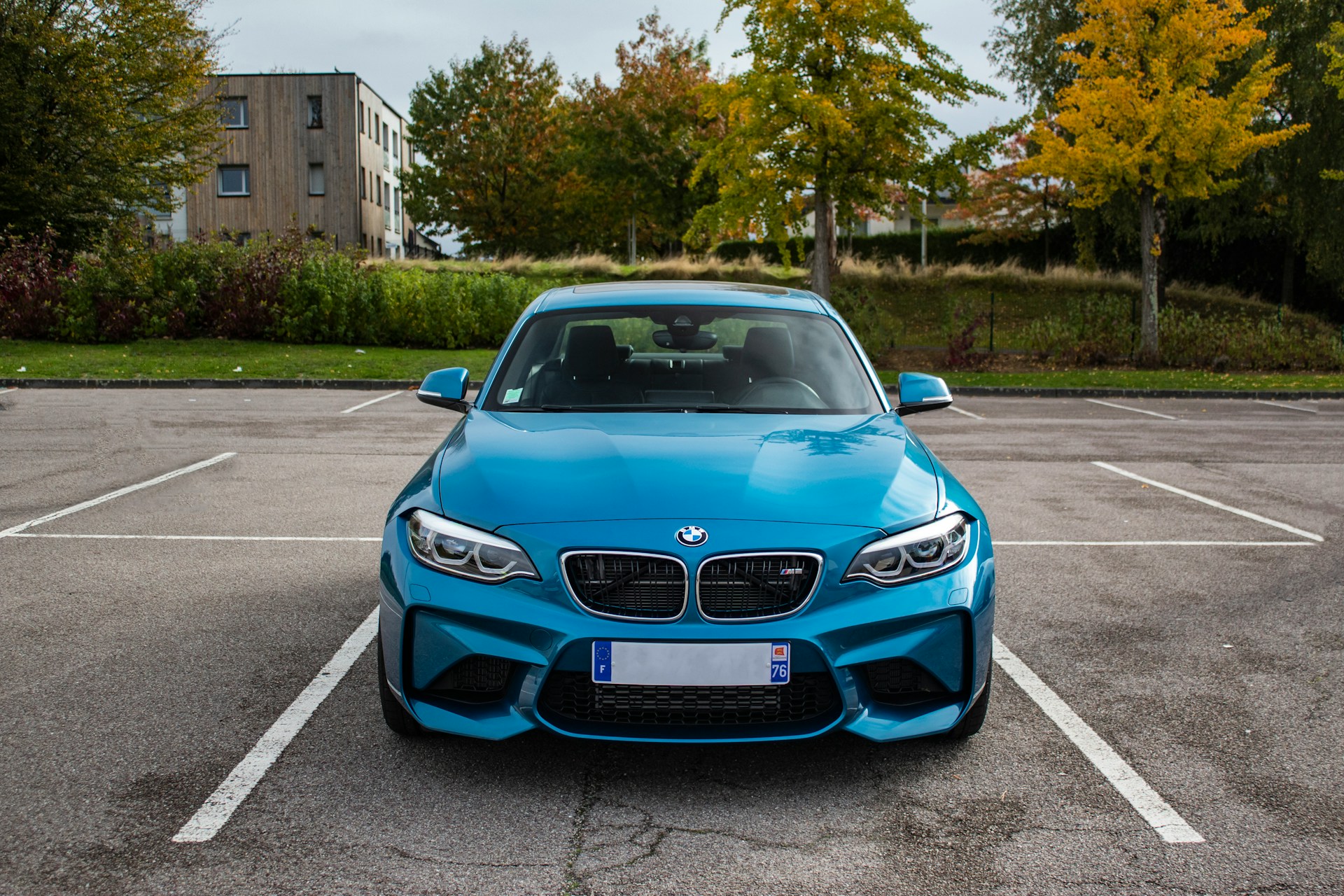
Underrated Engines: Cars That Deliver Thrills on a Budget
When most people think about performance cars, visions of exotic supercars and six-figure price tags often come to mind. But the truth is, adrenaline doesn’t always come with a massive bill. There’s a sweet spot in the automotive world where affordability meets excitement—vehicles that deliver smiles per mile without draining your bank account. These underrated engines might not make headlines, but they prove you don’t need a hypercar to feel connected to the road. Smart choices and a little curiosity can uncover gems that combine practicality with genuine driving fun.
Lightweight Legends
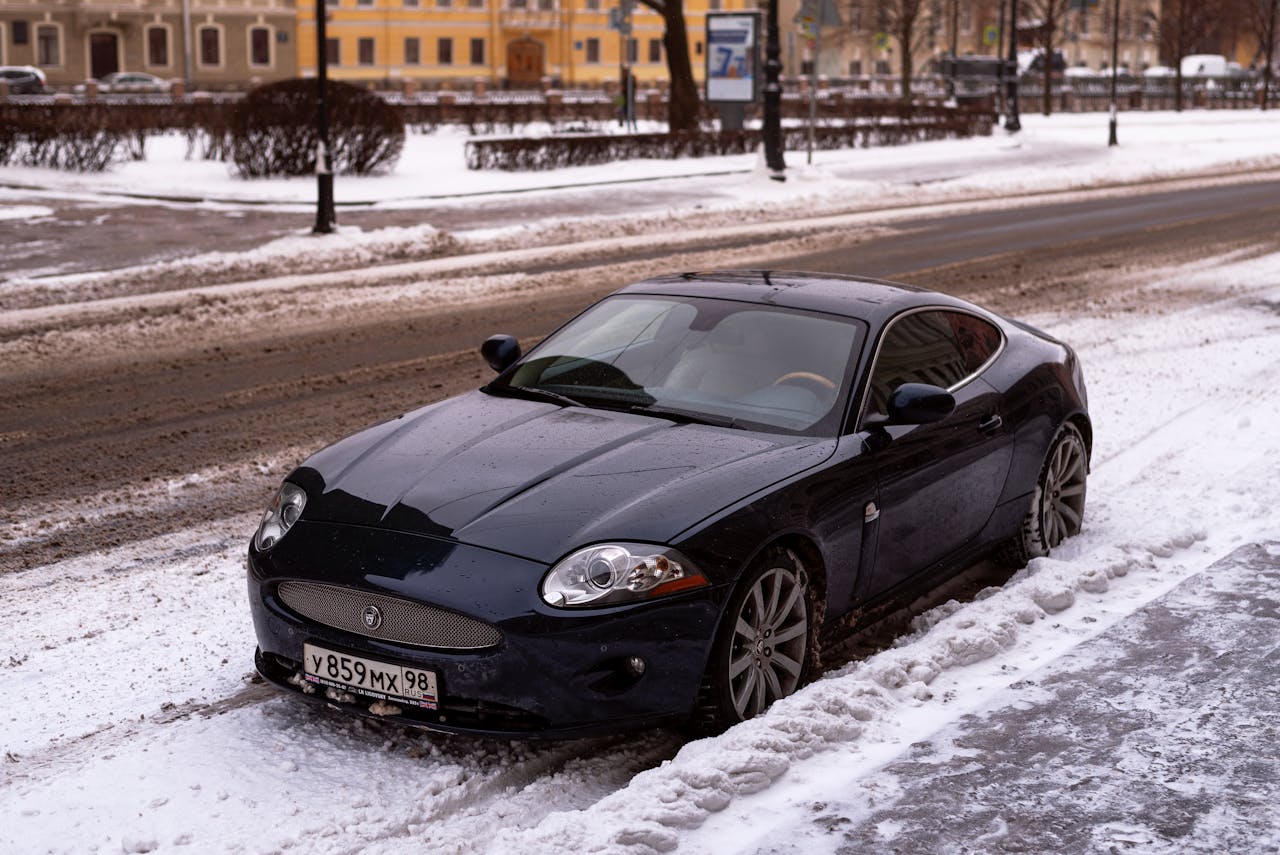 Some of the most thrilling budget cars rely on simplicity: a light chassis and a responsive engine. When a car is nimble, every corner feels sharper, and acceleration seems more immediate. Models like the older Mazda MX-5 Miata are perfect examples—small, rear-wheel drive, and incredibly engaging to drive. The joy isn’t just about speed; it’s about balance and handling. Lightweight cars might lack some luxury features, but they make up for it with pure driving satisfaction, proving that thrills often come from clever engineering rather than flashy specs.
Turbocharged Bargains
Turbocharged engines have become more common in budget-friendly vehicles, giving small engines an extra punch. Cars like the Volkswagen Golf GTI or Ford Fiesta ST use turbocharging to deliver exhilarating acceleration without demanding a luxury price. The thrill comes not from top-end speed alone, but from that instantaneous boost that makes overtaking on highways feel effortless. Turbo engines are particularly satisfying in compact cars, where the combination of nimble handling and responsive power creates an engaging driving experience that doesn’t require a sports car sticker price.
Hot Hatches You Can Afford
Hot hatchbacks are underrated gems in the budget performance world. Their compact design, lively engines, and practical interiors make them ideal for everyday life while still offering driving excitement. The Honda Civic Si or the Hyundai Veloster N are examples of vehicles that balance comfort and sportiness. What makes hot hatches special is their versatility—you can run errands, commute to work, and then hit a winding backroad for some spirited driving without feeling like you’re in a dedicated track car. They’re practical thrill machines disguised as everyday cars.
Sleeper Sedans and Unlikely Contenders
Sometimes the most fun comes from the unexpected. “Sleeper” cars—vehicles that look ordinary but hide surprisingly potent engines—offer thrills without attracting attention. Older Subaru WRX models, turbocharged Volkswagen Passats, or even some V6 Camrys fall into this category. They provide robust performance without the premium costs associated with flashy sports cars. These underrated engines allow drivers to enjoy spirited performance in a vehicle that remains understated, practical, and surprisingly capable on a budget.
Rear-Wheel Drive Classics
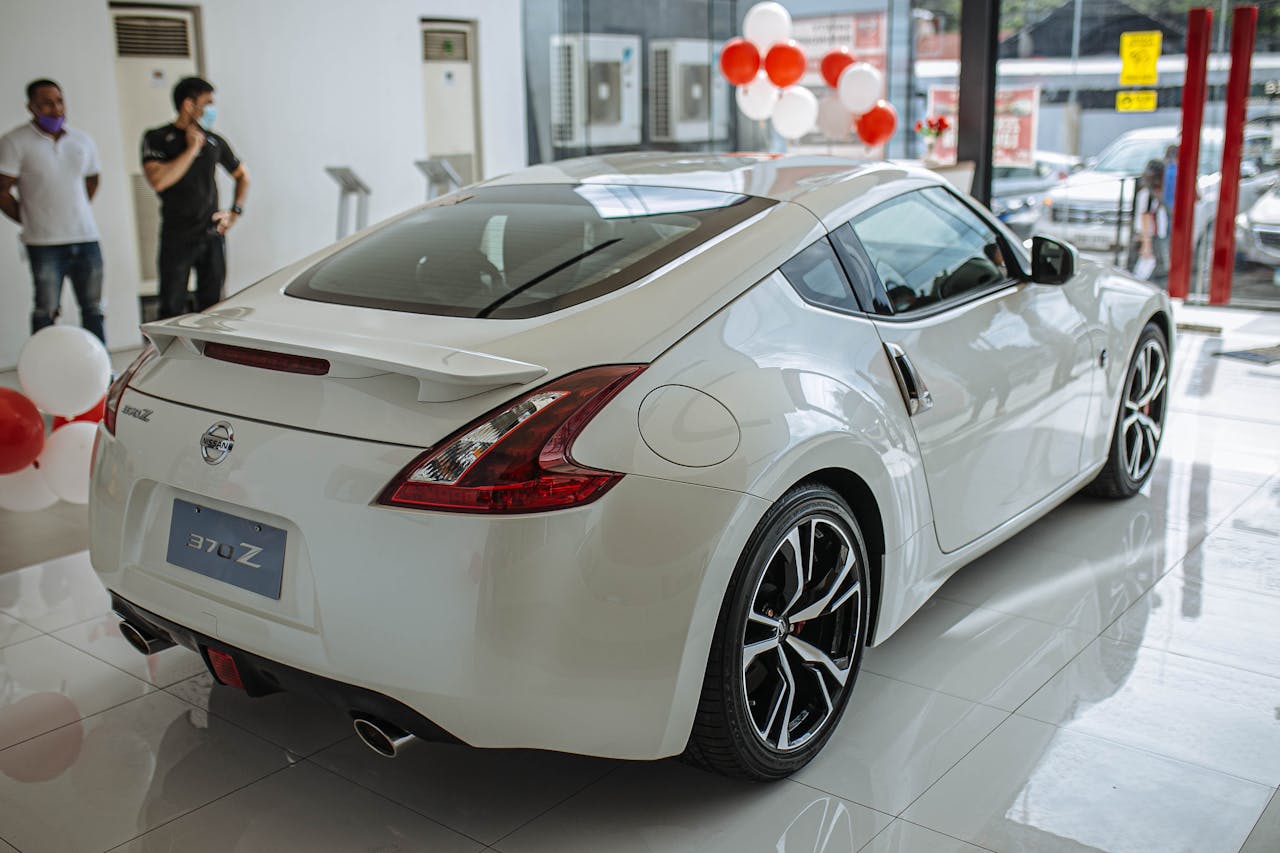
Rear-wheel drive adds a dynamic edge to even moderately powered cars. Models like the BMW E36 3 Series or Nissan 240SX may not have the flashiest engines on the block, but their balanced layout and rear-wheel-drive dynamics make every turn more rewarding. These cars teach drivers to feel the car’s behavior and react accordingly, turning ordinary streets into engaging playgrounds. For enthusiasts on a budget, rear-wheel-drive classics offer a unique combination of affordability and hands-on driving thrills that modern front-wheel-drive cars often struggle to replicate.
Tuning Potential
Another reason budget thrills are achievable is the aftermarket tuning world. Many affordable cars can be enhanced for even more performance without breaking the bank. Engine mods, suspension upgrades, and lightweight components can elevate a humble compact into a genuine enthusiast car. The fun lies not only in driving the car but also in personalizing it to your tastes. This flexibility allows budget-minded drivers to experience excitement usually reserved for more expensive machines.
The best part about these underrated engines is that they prove fun and performance aren’t the exclusive domain of supercars or high-end sports vehicles. With the right choice, you can enjoy responsive handling, turbocharged excitement, and rear-wheel-drive thrills without spending a fortune. Smart shopping, a focus on dynamics, and an openness to sleeper or classic cars reveal a world of affordable automotive joy. In the end, it’s not about the price tag—it’s about the smile every time you hit the accelerator.…