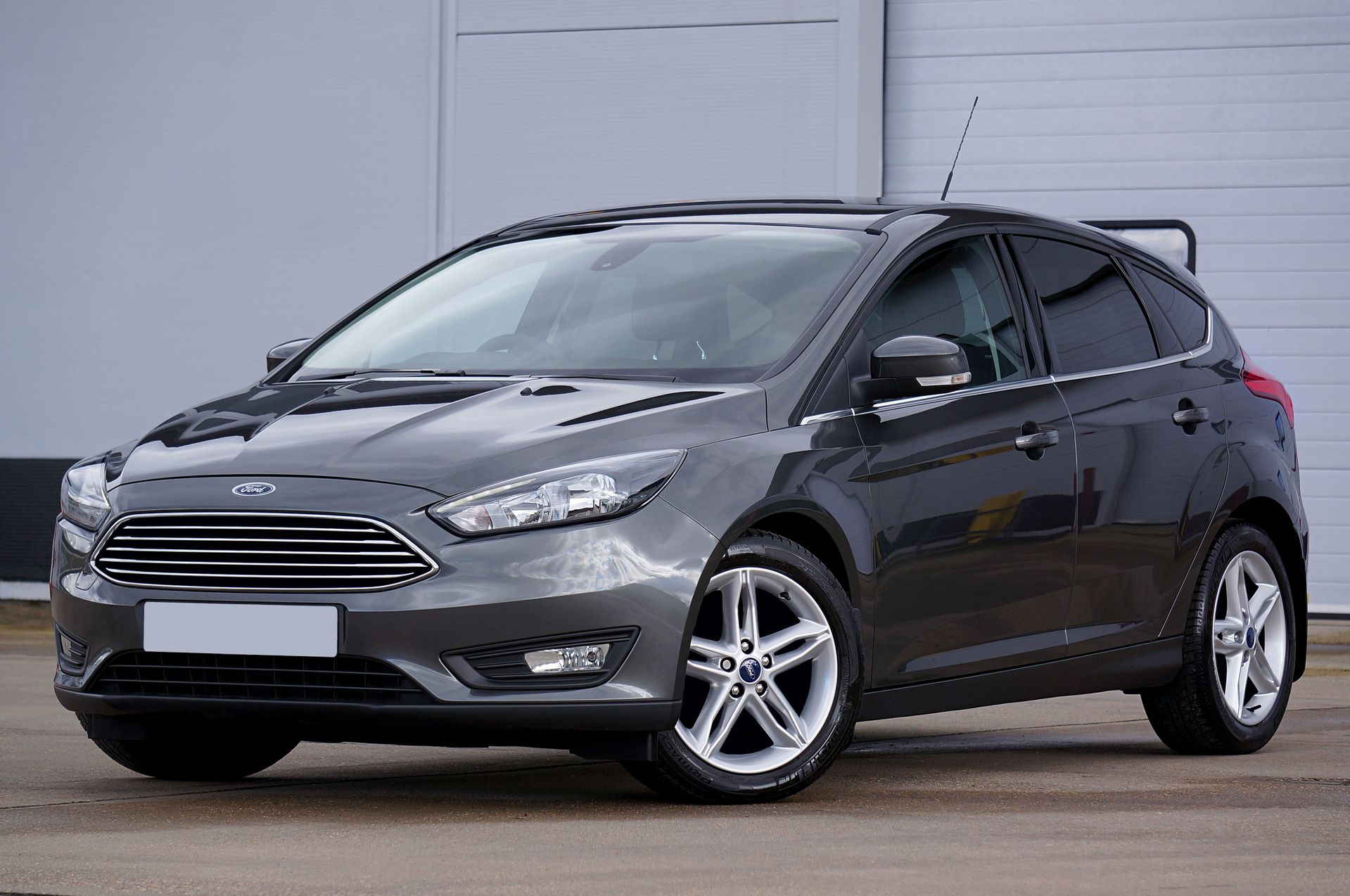
Why Millennials and Gen Z See Cars Differently
For many people, a car has always represented freedom, independence, and a major life milestone. But the way younger generations think about vehicles is changing. Millennials and Gen Z are growing up in a world where transportation choices look very different from previous decades. Rising costs, new technology, environmental concerns, and changing lifestyles have all influenced how they view car ownership and use. Instead of automatically seeing a vehicle as a symbol of success, many younger drivers are asking different questions. Is owning a car practical? Does it fit my lifestyle? Is there a better way to get where I need to go? These new perspectives are reshaping the future of driving.

Cars Are Becoming More About Purpose Than Status
For older generations, buying a car was often connected to achievement and personal identity. A new vehicle could represent career progress or financial stability. Millennials and Gen Z often approach transportation with a more practical mindset, focusing on value, reliability, and everyday usefulness. Clark Angeles Cars offers a practical alternative for travelers who need reliable transportation without the long-term financial commitment of owning a vehicle.
Technology Has Changed the Driving Experience
Younger drivers have grown up surrounded by smartphones, apps, and connected devices, so they naturally expect technology to be part of their driving experience. Features like navigation systems, digital entertainment, safety assistance, and electric vehicle technology are becoming more important when choosing a car. A vehicle is no longer viewed as just a machine that gets people from one place to another. For many Millennials and Gen Z drivers, it is an extension of their digital lifestyle. Convenience and connectivity can be just as important as horsepower or appearance.
The Cost of Ownership Matters More Than Ever
Financial realities play a major role in how younger generations approach cars. Expensive purchases, maintenance costs, insurance rates, and fuel prices can make traditional ownership feel challenging. Many younger adults are delaying car purchases or looking for affordable alternatives that fit their budgets. This does not mean they dislike cars. Instead, they are often more careful about how they spend money on a vehicle. A car needs to provide real value and support their lifestyle rather than create unnecessary financial pressure.
Shared Mobility Is Changing Ownership Ideas
Car ownership used to feel like a requirement for adulthood, but younger generations have more transportation options available. Ride-sharing services, public transportation improvements, and flexible vehicle programs have changed how people think about getting around. For some Millennials and Gen Z drivers, owning a car remains important, especially in areas with limited public transportation. However, others are comfortable using different solutions based on their needs rather than committing to permanent ownership.
Sustainability Is Influencing Car Choices
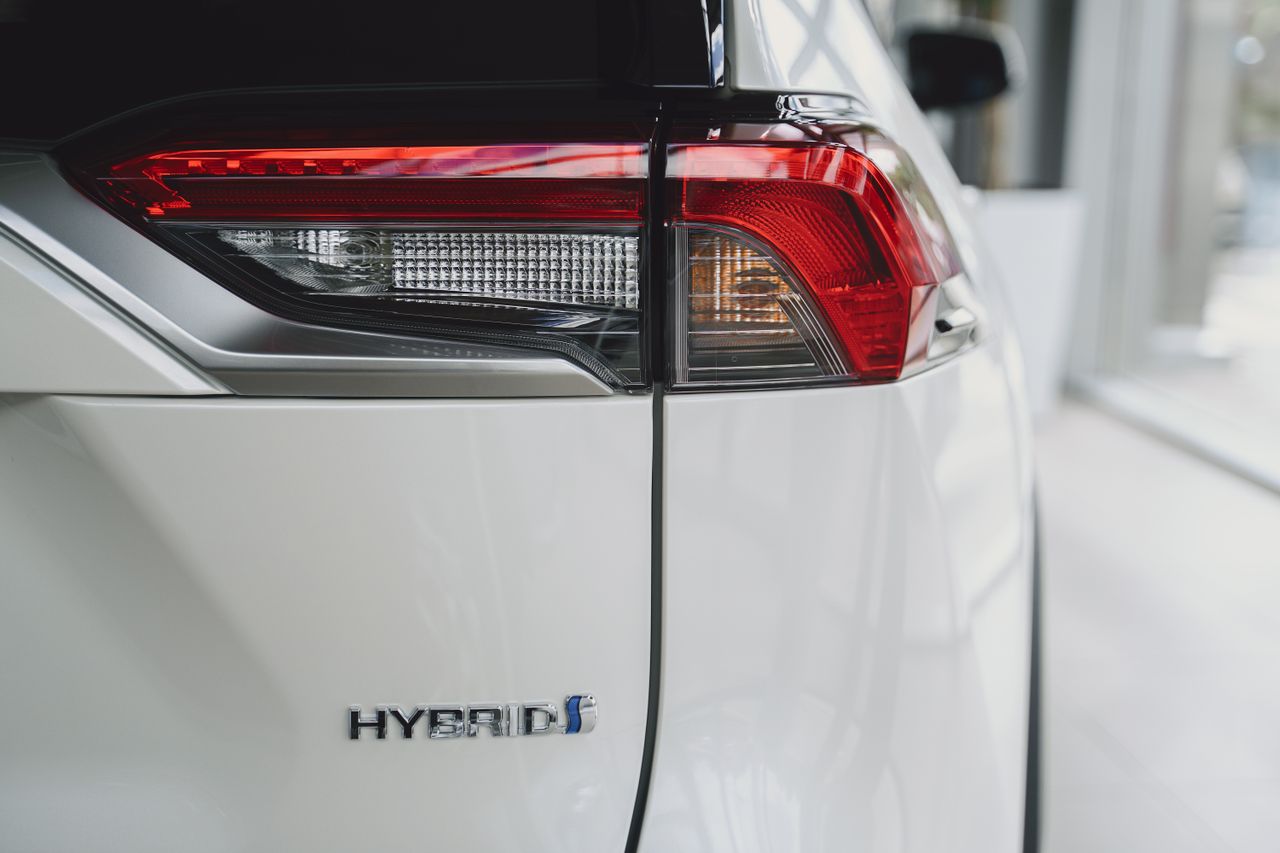
Environmental awareness has become a major factor in transportation decisions. Many Millennials and Gen Z consumers are interested in electric vehicles, hybrids, and fuel-efficient models because they want choices that align with their values. While not every young driver is ready to switch to an electric vehicle, sustainability is becoming a bigger part of the conversation. The idea of what makes a “good” car is expanding beyond speed and design to include efficiency and environmental impact.
Personal Identity and Cars Are Evolving
Cars have always been connected to personality, but younger generations express themselves differently. Instead of choosing vehicles only for appearance or brand reputation, many drivers consider practicality, technology, comfort, and personal values. A car can still be a reflection of someone’s personality, but the meaning behind that connection has changed. Today’s drivers may value customization, convenience, and experiences just as much as traditional ideas of style.
Millennials and Gen Z are not rejecting cars; they are redefining what cars mean. For these generations, vehicles are less about following old expectations and more about finding solutions that match modern lifestyles. As technology, finances, and environmental concerns continue to shape decisions, the future of driving will likely be built around flexibility, innovation, and personal choice.…